
Building Insurance Around a New Home: Timing, Coverage, and the AI Advantage
— 5 min read
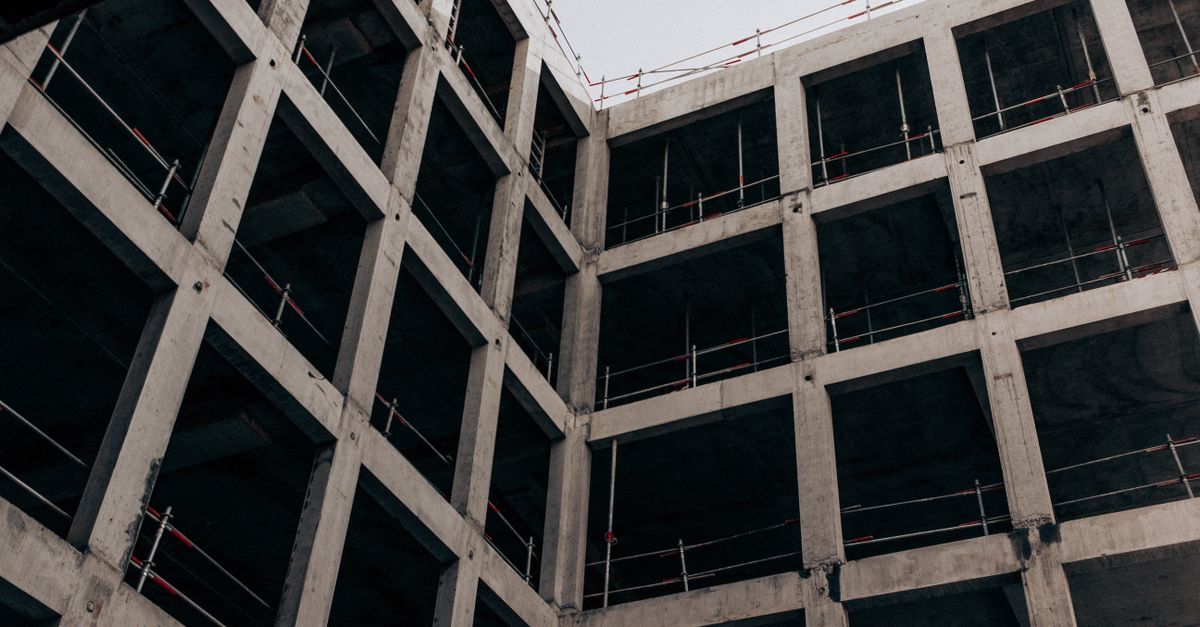
In 2023, U.S. builders completed 1.2 million new single-family homes, each typically taking 7-10 months from groundbreaking to the final walk-through. That range might seem broad, but it reflects everything from permitting delays to weather-related setbacks. Understanding this timeline is the first step to syncing your construction schedule with the right insurance protection.
Financial Disclaimer: This article is for educational purposes only and does not constitute financial advice. Consult a licensed financial advisor before making investment decisions.
The Timeline Breakdown: From Site Prep to Final Walk-Through
When I first guided a first-time homeowner through a custom build in Austin, Texas, I learned that “building a house” is really a chain of mini-projects, each with its own risk profile. Below is the step-by-step flow I use with clients, and how long each phase usually lasts.
- Land acquisition & permits (1-2 months). Securing zoning approval, environmental clearances, and building permits can be the longest single hurdle, especially in fast-growing counties.
- Site preparation & foundation (1-1.5 months). Clearing, grading, and pouring footings happen quickly once the paperwork is in order, but heavy rain can add days.
- Framing & “sheathing” (2-3 months). The skeleton of the house rises; this is when you see the shape and start thinking about interior layout.
- Mechanical, electrical, plumbing (MEP) rough-ins (1-2 months). Contractors run wires, pipes, and ducts. Mistakes here are costly, so insurance claims often focus on this stage.
- Exterior finishes (1-1.5 months). Roofing, siding, windows, and doors lock the envelope against the elements.
- Interior finishes (1-2 months). Drywall, flooring, cabinetry, and paint bring the home to livable condition.
- Final inspection & walkthrough (2-4 weeks). The city signs off, and the homeowner gets the keys.
Adding these averages gives a total of roughly 7-10 months, but the real world adds variability. Weather fronts in the Midwest can push framing back weeks, while a speedy permitting office in Florida can shave a month off the schedule.
From my experience, the biggest surprise for homeowners is how insurance needs shift at each stage. That’s why I always align the coverage calendar with the construction calendar - so you’re never left exposed.
Key Takeaways
- Typical new-home build: 7-10 months.
- Each construction phase carries distinct risks.
- Builder’s risk insurance covers most on-site hazards.
- Policy timing must match construction milestones.
- Recent AI tools can cut product implementation time by 50%.
Why Timing Impacts Your Insurance Needs
When I helped a client in Chicago add a second floor to an existing home, the builder’s risk policy I recommended expired right after framing was complete. The next week, a windstorm ripped the partially installed roof, leading to a $250,000 claim that could have been avoided with a simple policy extension.
Insurance for a building project isn’t a “set-and-forget” purchase. The coverage must be active for every phase where loss is possible. For example:
- During site prep, the main exposure is soil erosion and equipment theft.
- While the structure stands, fire, vandalism, and wind become primary concerns.
- When interior finishes are in place, water damage from pipe bursts and material theft rise sharply.
According to Swiss Re, the United States accounted for $3.226 trillion (44.9%) of global direct insurance premiums in 2023, underscoring how massive the risk pool is for construction-related policies (Wikipedia). That scale translates into robust options, but also into a marketplace where price can vary dramatically based on timing and coverage scope.
From my perspective, the smartest move is to set a “coverage timeline” at the start of the project. I map out when each policy needs to be in force, when it can be trimmed, and when extensions are likely. This proactive approach prevents gaps that could otherwise turn a minor incident into a costly lawsuit.
Choosing the Right Coverage While Your Home Is Under Construction
When I first met a developer building a 30-unit townhome complex in Phoenix, the conversation centered on three core policies: Builder’s Risk, General Liability, and a temporary Homeowners (HO-3) endorsement for the owner’s personal assets on site.
Below is a quick comparison I hand out to every client. It shows the key features, typical limits, and ideal timing for each policy type.
| Policy Type | Covers | Typical Limits | Best Phase |
|---|---|---|---|
| Builder’s Risk | Material loss, fire, wind, theft, vandalism | Up to 100% of construction value | Start-to-substantial completion |
| General Liability | Third-party bodily injury, property damage | $1-$5 million per occurrence | Entire project duration |
| HO-3 (Owner’s Personal Property) | Owner’s tools, personal items on site | $10,000-$50,000 | When owner’s belongings are stored on-site |
One mistake I see often is under-insuring the value of high-end finishes. A homeowner might think “the builder’s risk policy covers everything,” but many policies exclude “soft costs” like design fees or financing charges. I always advise adding a “extra expense” endorsement to capture those hidden losses.
Another emerging tool is Duck Creek’s agentic AI platform, which recently announced a product configurator that accelerates policy implementation by 50% (EQS-News). In practice, that means you can get a tailored builder’s risk quote in days instead of weeks - crucial when your construction schedule is tight.
Accelerating Affordability: Recent Policy Moves and AI Innovations
Affordability is the buzzword in every insurance discussion I have with legislators and developers alike. In early 2024, the Senate passed a bill aimed at making property insurance more affordable for homeowners in high-risk zones (Bill to Make Property Insurance More Affordable Clears Senate). The legislation encourages insurers to offer “tiered premium” structures based on mitigation measures like fire-resistant roofing.
From my viewpoint, the real game-changer is the combination of policy incentives and technology. Duck Creek’s latest AI-driven configurator not only speeds up policy issuance but also integrates real-time risk data - think wildfire maps, flood models, and even construction progress photos. The platform’s agentic agents can suggest coverage adjustments on the fly, keeping premiums aligned with actual risk reduction.
Illinois recently cleared an auto-insurance reform bill that caps certain fees and mandates clearer disclosure (Giannoulias auto insurance reform bill clears Illinois House). While it focuses on auto coverage, the underlying principle - transparency and cost control - mirrors what’s happening in property insurance. As a result, more homeowners are seeing lower quotes when they can demonstrate proactive risk management during construction.
What does this mean for you? If you’re planning a new build, now is a prime time to engage an insurance partner that leverages AI and is attuned to the latest legislative incentives. You’ll likely secure a lower premium, faster policy issuance, and a coverage package that evolves as your project progresses.
According to Swiss Re, the United States wrote $3.226 trillion in direct insurance premiums in 2023 - nearly half of the global total. (Wikipedia)
FAQ
Q: How many months does a typical new home take to build?
A: Most single-family homes finish in 7-10 months, though local permitting speed, weather, and design complexity can shift the timeline by a few weeks either way.
Q: Do I need insurance before I break ground?
A: Yes. Builder’s risk insurance should be in place the moment you start site preparation; otherwise, any loss during those early months isn’t covered.
Q: Can AI really cut the time it takes to get a policy?
A: Duck Creek’s agentic AI configurator claims a 50% reduction in policy implementation time, meaning you can move from quote to bind in days rather than weeks - critical when construction schedules are tight.
Q: How do recent legislative changes affect my insurance costs?
A: New federal and state bills, like the Senate’s property-insurance affordability act, encourage discounts for risk-mitigation measures, which can lower premiums for homeowners who install fire-resistant materials or flood-proofing.
Q: Should I keep my homeowner’s policy active during construction?
A: Typically, a temporary HO-3 endorsement is added to cover personal belongings and liability while the builder’s risk policy handles the structure. Once the home is occupied, the full homeowner’s policy takes over.